

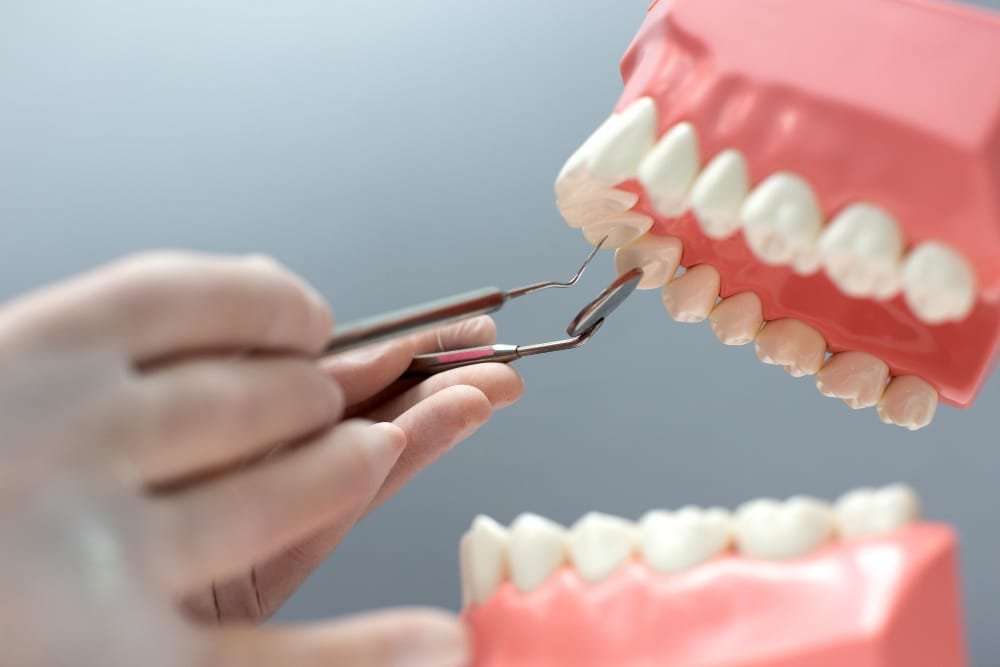
What Is a Dental Crown?
A dental crown is a custom-made restoration that fits over a damaged or weakened tooth to restore its shape, strength, function and appearance. Crowns are commonly recommended when a tooth has been significantly damaged by decay, cracks, large fillings or trauma and requires more protection than a standard filling can provide.
If you’re looking for dental crowns in Blackwood, a dental assessment can determine whether a crown is suitable for your tooth and what type of restoration would provide the best result.
When Do You Need a Dental Crown?
A dental crown may be recommended when a tooth is too damaged or weakened to be reliably restored with a filling alone.
Common reasons for needing a crown include:
- A heavily damaged or weakened tooth
- A large filling that has compromised the remaining tooth structure
- A cracked tooth
- Significant tooth decay
- A tooth that has undergone root canal treatment
- A worn or broken tooth
- A tooth requiring additional structural support
- Certain cosmetic or restorative dental concerns
The best treatment depends on the condition of your tooth, your oral health, and your individual needs.
How Do You Know If You Need a Dental Crown?
You may need to discuss a dental crown with your dentist if you experience:
- Pain when biting or chewing
- A visibly cracked or damaged tooth
- A large portion of a tooth breaking away
- Sensitivity to hot or cold
- A tooth that has become significantly worn
- Repeated problems with a heavily filled tooth
However, symptoms alone cannot determine whether you need a crown. A dentist needs to examine the tooth before recommending treatment.
Dental Crowns vs Fillings: What's the Difference?
The main difference is the level of tooth damage being treated.
A filling is generally used to repair a smaller area of tooth damage caused by decay or minor deterioration.
A crown covers the tooth more extensively and can provide additional strength and protection when a significant amount of tooth structure has been lost.
Your dentist will assess the remaining tooth structure before recommending either option.
Quick comparison
Dental Filling
- ✓ Usually treats smaller areas of damage
- ✓ Often used for cavities
- ✓ Restores part of the tooth
- ✓ Suitable when sufficient healthy tooth remains
Dental Crown
- ✓ Covers and protects a larger portion of the tooth
- ✓ Often used for significantly weakened teeth
- ✓ Restores the tooth's structure and function
- ✓ May be recommended when greater protection is needed
Can a Crown Repair a Cracked Tooth?
A dental crown may be suitable for certain cracked or weakened teeth.
A crown can help hold the remaining tooth structure together and protect it from further damage. However, not every cracked tooth can be saved with a crown.
The location and severity of the crack are important factors. If you notice a crack, pain when biting, or increased sensitivity, arrange a dental assessment rather than waiting for the tooth to deteriorate further.
For patients seeking broken tooth treatment in Blackwood, early assessment can help identify the most appropriate treatment.
Can You Get a Crown After Root Canal Treatment?
Yes. A crown is sometimes recommended following root canal treatment, particularly when the treated tooth has lost significant structural strength.
Root canal treatment removes infected or inflamed tissue from inside the tooth. Once the treatment is complete, the tooth may require additional protection.
A crown can help restore the tooth’s shape and function while protecting against further damage.
Your dentist will assess the tooth and determine whether a crown is appropriate.
What Happens During Dental Crown Treatment?
The exact process can vary depending on your tooth and the type of crown being used.
1. Dental Assessment
Your dentist examines the affected tooth and discusses your symptoms, concerns, and treatment options.
2. Treatment Planning
If a crown is appropriate, your dentist plans the restoration based on the tooth’s condition, position and appearance.
3. Tooth Preparation
The tooth is carefully prepared so the crown can fit securely over it.
4. Crown Design and FabricationMeasurements or digital information are used to create a restoration designed to fit your tooth.
5. Crown Placement
Once the crown is ready, it is checked for fit, appearance, and bite before being securely placed.
Your dentist will explain each stage before treatment begins.
Do Dental Crowns Look Natural?
Modern dental crowns can be designed to closely resemble natural teeth.
The colour, shape and proportions can be selected to complement your smile. For visible teeth, aesthetic considerations are particularly important.
If you’re considering a Dental Crown Dentist in Blackwood, discuss your expectations during your consultation so your dentist can recommend an appropriate restoration.
How Long Do Dental Crowns Last?
The lifespan of a dental crown varies from person to person.
Factors that can affect longevity include:
- Oral hygiene
- Diet and lifestyle
- Bite forces
- Teeth grinding
- The condition of the supporting tooth
- Regular dental maintenance
- The quality and type of restoration
Good oral hygiene and regular dental appointments can help protect both the crown and the tooth underneath it.
How Should You Care for a Dental Crown?
A crowned tooth still needs daily care.
You should:
- Brush twice a day with fluoride toothpaste.
- Clean between your teeth every day.
- Attend regular dental examinations.
- Maintain good gum health.
- Follow your dentist’s specific aftercare advice.
- Avoid using your teeth to open packaging or bite hard objects.
Although the crown itself cannot develop tooth decay, the natural tooth and gum around it still need protection.
Are Dental Crowns Painful?
Dental crown treatment is normally carried out using appropriate local anaesthesia, so you should not experience significant discomfort during the preparation procedure.
Some sensitivity or tenderness may occur afterwards, particularly while the tooth and surrounding tissues settle.
If you experience persistent or severe discomfort following treatment, contact your dental practice for advice.
What Happens If You Don't Treat a Damaged Tooth?
Ignoring a significantly damaged tooth can allow the problem to progress.
Depending on the cause, untreated damage may lead to:
- Increasing pain
- Further cracking
- Infection
- Difficulty chewing
- Additional tooth damage
- Possible tooth loss
Not every damaged tooth requires a crown, but getting it assessed promptly allows your dentist to explain the available options.
Dental Crowns in Blackwood: Why Local Dental Care Matters
Choosing a conveniently located dental practice can make it easier to attend consultations, treatment appointments and follow-up visits.
KAA Dentals provides dental care for patients in and around Blackwood and surrounding South Wales communities.
Patients may also travel from nearby areas such as Bargoed, Ystrad Mynach, Caerphilly, Merthyr Tydfil and Pontypridd for dental treatment.
If you’re experiencing a damaged, cracked or weakened tooth, a professional assessment can help determine whether a crown or another treatment is appropriate.
Who Is a Good Candidate for a Dental Crown?
A dental crown may be appropriate for someone with:
- Significant tooth damage
- A large existing filling
- A cracked or weakened tooth
- A heavily worn tooth
- A tooth requiring protection following root canal treatment
- Certain cosmetic concerns
However, suitability depends on the individual tooth and your overall oral health.
A dentist should always assess the tooth before treatment is recommended.
How Much Do Dental Crowns Cost?
The cost of a dental crown depends on several factors, including:
- The type of crown
- The tooth being treated
- The complexity of the procedure
- Any additional treatment required
- The materials used
Rather than relying on a general online price, a consultation provides a more accurate assessment of your treatment needs.
Why Choose KAA Dentals?
When considering restorative dentistry in Blackwood, it’s important to choose a dental practice that takes the time to understand your individual needs.
KAA Dentals focuses on:
- Personalised treatment planning
- Comprehensive dental assessments
- Restorative dental care
- Modern dental techniques
- Patient-focused treatment
- Clear explanations of treatment options
The aim is not simply to place a crown, but to choose the most appropriate solution for your tooth and long-term oral health.
FAQ's
A dental crown is a custom-made restoration that fits over a damaged or weakened tooth to restore its shape, strength, function and appearance.
A crown may be considered when a tooth is significantly weakened or damaged and cannot be reliably restored with a standard filling.
A crown can restore some broken or significantly damaged teeth, depending on the extent and location of the damage. Your dentist will need to assess the tooth first.
Not necessarily. Fillings and crowns are used for different levels of tooth damage. Your dentist will recommend the option appropriate for your tooth.
Yes. Modern crowns can be designed to closely match the appearance of your natural teeth.
Crowns can generally be cared for through normal brushing and interdental cleaning. Regular dental examinations are also important.
KAA Dentals provides dental care for patients in Blackwood and surrounding South Wales communities. A consultation can determine whether a dental crown is appropriate for your needs.