Why Are Dental Check-Ups Important?
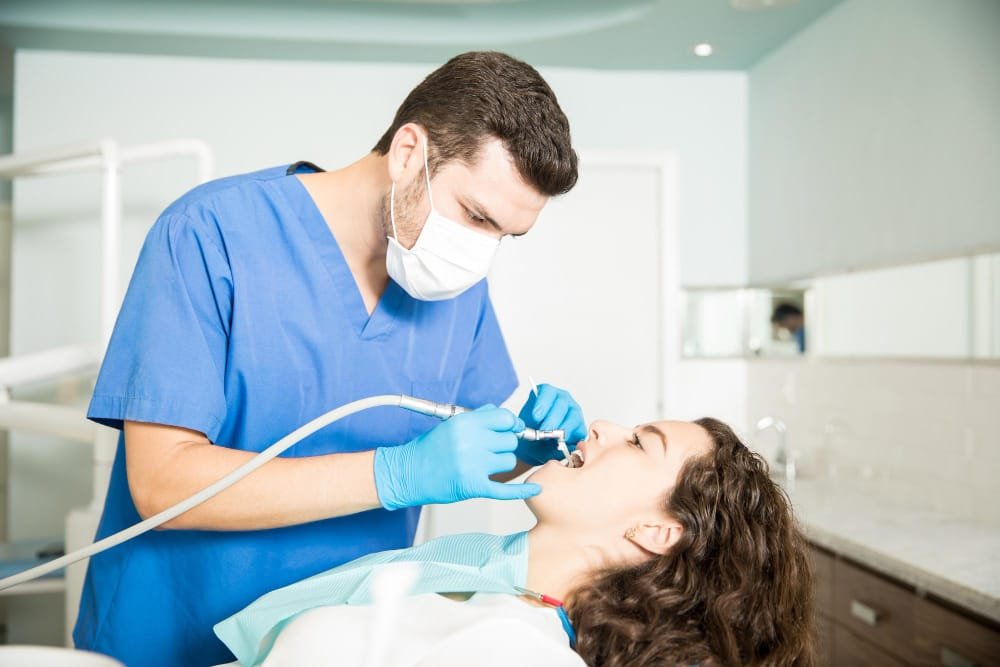
Regular dental check-ups help your dentist take a look at your teeth, your gums, and the whole state of your mouth, so any potential problems get spotted early before they turn into something more serious.
A check-up isn’t just about searching for tooth decay. Your dentist can also check your gums, your existing fillings or restorations, how your bite lines up and a few other parts that influence your oral well-being.
If you’re searching for dental check-ups in Ebbw Vale, keeping up with regular visits can be a key part of preventative dental care.
What Happens During a Dental Check-Up?
A routine dental examination may include an assessment of:
- Your teeth
- Gums
- Existing fillings and restorations
- Signs of tooth decay
- Plaque and tartar
- Gum health
- Bite
- Signs of tooth wear
- Other changes in your mouth
Your dentist may recommend additional investigations if something requires closer examination.
How Often Should You Have a Dental Check-Up?
There is no single dental check-up schedule that is suitable for everyone.
The appropriate interval can depend on:
- Your oral health
- Previous dental problems
- Gum health
- Risk of tooth decay
- Existing dental restorations
- Your dental history
Some people may need more frequent examinations, while others may be able to attend less often.
Your dentist can recommend a schedule based on your individual circumstances.
Can a Dental Check-Up Prevent Toothache?
A check-up cannot guarantee that you will never experience a toothache.
However, regular examinations can help identify certain dental problems before they become advanced and symptomatic.
Preventive care may reduce the likelihood of needing urgent treatment.
If you already have severe tooth pain, don’t wait for a routine check-up. Seek appropriate dental advice.
What Is the Difference Between a Dental Check-Up and a Dental Hygiene Appointment?
They have different purposes.
| Dental Check-Up | Dental Hygiene Appointment |
|---|---|
| Examines overall oral health | Focuses primarily on professional cleaning |
| Looks for decay and dental problems | Removes plaque and tartar |
| Assesses teeth and gums | Supports gum health |
| May identify need for treatment | Provides oral hygiene advice |
| Carried out by a dentist or appropriate dental professional | Carried out by a dental hygienist |
Should You Have a Check-Up Even If Your Teeth Don't Hurt?
Yes. A lack of pain doesn’t necessarily mean that your teeth and gums are completely healthy.
Some dental problems can develop without obvious symptoms.
Regular examinations allow your dentist to monitor your oral health and identify changes that may otherwise go unnoticed.
This is one reason preventive dental care is important.
What Should You Tell Your Dentist During a Check-Up?
Be open about any changes you’ve noticed.
Tell your dentist if you’ve experienced:
- Bleeding gums
- Tooth sensitivity
- Jaw discomfort
- Toothache
- Bad breath
- A chipped or cracked tooth
- Changes in your bite
- Problems with existing dental work
Providing accurate information can help your dentist understand your concerns and assess your oral health more effectively.
How Can You Prepare for a Dental Check-Up?
You don’t need complicated preparation.
Before your appointment:
- Brush your teeth normally.
- Clean between your teeth.
- Make a note of any symptoms.
- Bring details of medications if requested.
- Tell your dentist about any dental concerns.
- Ask questions about your oral health.
The appointment is an opportunity to discuss your dental health and treatment options.
What Happens If Your Dentist Finds a Problem?
If your dentist identifies an issue, they’ll explain what they’ve found and discuss appropriate options.
Depending on the problem, treatment could include:
- Preventive care
- Dental hygiene
- A filling
- A crown
- Root canal treatment
- Gum disease treatment
- Tooth replacement
- Other appropriate dental treatment
Not every dental problem requires immediate complex treatment. Early assessment allows your dentist to determine the most appropriate approach.
Dental Check-Ups in Ebbw Vale: Local Dental Care
If you’re looking for a Dentist in Ebbw Vale, picking a dental practice that’s fairly nearby can make it easier to keep up with regular preventive visits.
KAA Dentals offers dental care to patients in Ebbw Vale and across the neighbouring South Wales areas. Patients might also come in from nearby places like Tredegar, Rhymney, Merthyr Tydfil, Bargoed and other surrounding towns.
Why Choose KAA Dentals?
KAA Dentals really does aim at preventive and personalised dental care, in a sort of steady way. For patients, there are a few helpful things they can gain from, like comprehensive dental examinations and preventive dental advice, plus professional hygiene care. If you need restorative treatments, then they cover that as well, and there are also cosmetic dental options available. It’s not only about fixing things though; they do personalised treatment planning and provide ongoing oral health support, so you’re not left guessing later. Overall, the goal is that patients can understand their oral health better and make informed decisions about what dental care fits best for them.
FAQ's
Your dentist examines your teeth, gums and overall oral health and looks for signs of problems such as decay, gum disease, tooth damage and issues with existing restorations.
The recommended frequency varies between patients. Your dentist can suggest an appropriate interval based on your oral health and individual risk factors.
Yes. Some dental problems don't cause noticeable symptoms in their early stages, so routine examinations can help identify changes before they become more serious.
No. A dental check-up focuses on assessing your overall oral health, while a hygiene appointment primarily focuses on professional cleaning and plaque and tartar removal.
A dentist can look for signs of gum problems during an examination and may recommend further assessment or treatment where appropriate.
Yes. A toothache can have several causes and should be assessed by a dental professional rather than ignored.