

What Are Dental Bridges?
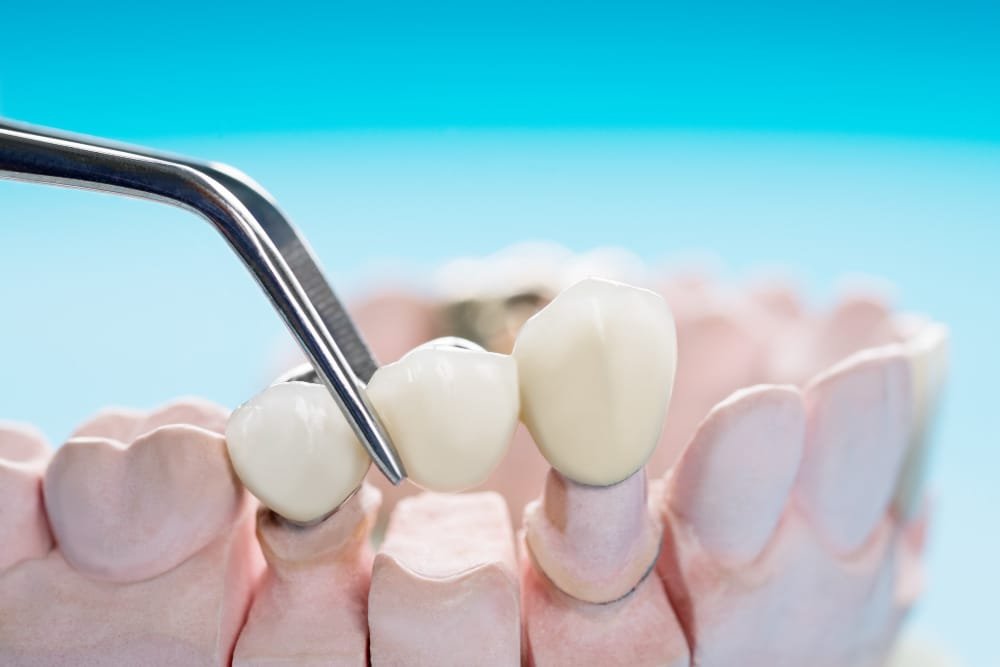
A dental bridge is a fixed restoration used to replace one or more missing teeth by using the surrounding teeth or dental implants for support.
Missing teeth can affect more than the appearance of your smile. They may make chewing more difficult, affect how you speak, and allow neighbouring teeth to shift into the space.
For people considering dental bridges in Rhymney, a dental consultation can help determine whether a bridge is an appropriate tooth replacement option.
KAA Dentals provides restorative dental care for patients in Rhymney and surrounding South Wales communities.
When Might You Need a Dental Bridge?
A dental bridge may be considered when you have one or more missing teeth and suitable supporting structures are available.
Common reasons for considering a bridge include:
- One or more missing teeth
- Difficulty chewing because of a gap
- Changes to your bite following tooth loss
- Wanting to restore the appearance of your smile
- Preventing neighbouring teeth from moving into the space
- Restoring normal dental function
Your dentist will assess your teeth, gums and bite before recommending a bridge.
How Does a Dental Bridge Work?
A traditional dental bridge generally consists of an artificial tooth, known as a pontic, supported by crowns attached to neighbouring teeth.
Depending on the situation, other types of bridges may be appropriate.
Your dentist will consider:
- The position of the missing tooth
- The condition of neighbouring teeth
- Your gum health
- Your bite
- The number of teeth being replaced
- Your overall oral health
The most suitable option varies from patient to patient.
What Are the Benefits of Dental Bridges?
Dental bridges can provide several benefits for suitable patients.
Restore Your Smile
A bridge can fill the visible gap created by a missing tooth.
Improve Chewing
Replacing a missing tooth can make it easier to chew comfortably.
Support Your Bite
A missing tooth can affect the balance of your bite. Replacing it can help restore normal dental function.
Prevent Teeth From Drifting
Neighbouring teeth can move towards a space. Replacing the missing tooth can help maintain the position of surrounding teeth.
Fixed Treatment
Unlike removable dentures, a conventional bridge remains fixed in position.
Dental Bridges vs Dentures vs Dental Implants
| Treatment | General Description |
|---|---|
| ✓ Dental Bridge | Fixed restoration supported by neighbouring teeth or implants |
| ✓ Dentures | Removable replacement teeth |
| ✓ Dental Implants | Artificial tooth roots supporting a crown, bridge or denture |
There isn’t one solution that is right for everyone.
Your dentist can discuss the advantages, limitations and suitability of each option based on your individual circumstances.
Are Dental Bridges Permanent?
Dental bridges are designed to be long-term restorations, but they aren’t necessarily permanent for life.
Their longevity can depend on:
- Oral hygiene
- Gum health
- The supporting teeth
- Bite forces
- Diet and lifestyle
- Teeth grinding
- Regular dental care
Looking after your bridge and the surrounding teeth is important for maintaining your restoration.
What Happens During Dental Bridge Treatment?
The process depends on the type of bridge being used.
Generally, treatment may involve:
1. Dental Assessment
Your dentist examines your mouth and evaluates the missing tooth area.
2. Treatment Planning
Your dentist determines whether a bridge is suitable and discusses available alternatives.
3. Preparing Supporting Teeth
For some bridge types, neighbouring teeth may need to be prepared.
4. Creating the Bridge
Measurements or digital scans may be taken to produce a restoration designed for your mouth.
5. Fitting the Bridge
The finished bridge is checked for fit, appearance and bite before being secured.
Your dentist will explain the process before treatment begins.
Does Getting a Dental Bridge Hurt?
Dental bridge treatment is normally carried out using appropriate local anaesthesia where necessary.
You may experience some temporary sensitivity or tenderness following treatment, particularly around prepared teeth.
If you experience persistent pain or discomfort, contact your dental practice for advice.
How Do You Care for a Dental Bridge?
A bridge requires regular cleaning just like your natural teeth.
You should:
- Brush twice a day with fluoride toothpaste.
- Clean between your teeth.
- Clean underneath the bridge where possible.
- Attend regular dental examinations.
- Follow your dentist’s cleaning recommendations.
- Avoid biting hard objects with your teeth.
Your dental team can show you the best cleaning techniques for your particular bridge.
Can Anyone Have a Dental Bridge?
Not everyone is automatically suitable for a bridge.
Your dentist may need to assess:
- The health of your gums
- The strength of neighbouring teeth
- Your bite
- The size and position of the gap
- Your general oral health
If a conventional bridge isn’t suitable, your dentist may discuss alternatives such as dentures or implants.`
Dental Bridges in Rhymney: Local Dental Care
If you’re looking for a Dental Bridge Dentist in Rhymney, choosing a conveniently located practice can make consultations and follow-up appointments easier.
KAA Dentals provides dental care for patients in Rhymney and surrounding South Wales areas.
Patients may also travel from nearby communities such as Tredegar, Bargoed, Blackwood, Ystrad Mynach and Merthyr Tydfil.