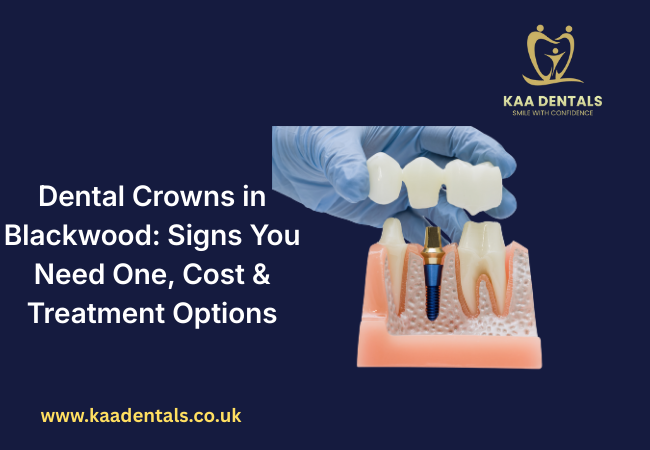
A healthy smile plays an important role in everyday confidence, comfort, and overall oral health. When a tooth becomes damaged, weak, or heavily decayed, restoring it quickly is essential to prevent further complications. One of the most reliable ways to protect and strengthen a compromised tooth is with dental crowns in Blackwood.
A dental crown is a custom-made cap placed over a tooth to restore its shape, strength, and appearance. Beyond improving aesthetics, crowns help you chew properly, reduce discomfort, and protect the remaining tooth structure from future damage.
Do I Need a Dental Crown?
Tooth damage is not always obvious at first. Small fractures or deep decay can gradually weaken a tooth until everyday activities like eating or drinking become uncomfortable.
You may benefit from a dental crown if you notice:
- Pain when biting or chewing
- A cracked or broken tooth
- Severe decay
- A tooth weakened by a large filling
- Noticeable wear from grinding
- Cosmetic concerns such as discoloration
Seeking professional advice early can help preserve your natural tooth and avoid emergency treatment.
When Is a Dental Crown Necessary?
Dentists typically recommend a crown when a tooth can no longer support itself structurally. Unlike fillings, which repair small areas, a crown covers the entire tooth to provide long-term stability.
A crown may be necessary when:
- More than half of the tooth is damaged
- The tooth is at risk of fracturing
- A restoration needs additional support
You want to improve the appearance of a misshapen tooth
Strengthening the tooth at the right time can prevent infections and reduce the likelihood of extraction.
Dental Crown After Root Canal Is It Required?
Root canal treatment removes infection from inside the tooth, but it also leaves the tooth more fragile than before. Without protection, everyday pressure from chewing can cause it to crack.
Placing a crown after a root canal helps:
- Reinforce the tooth
- Restore normal function
- Protect against reinfection
- Extend the life of the treated tooth
For many patients, a crown is the final step that ensures the long-term success of the procedure.
Types of Dental Crowns Available in Blackwood
Advancements in dentistry mean today’s crowns are designed to look natural while providing excellent durability.
- Zirconia Crowns
Known for exceptional strength, zirconia crowns are ideal for back teeth that handle greater chewing pressure. They are also highly resistant to chipping.
- Emax Crowns
Emax crowns offer outstanding aesthetics, making them a popular choice for visible front teeth. Their translucent finish closely resembles natural enamel.
- Porcelain-Fused-to-Metal Crowns
These crowns combine durability with a natural appearance and are suitable for many restorative cases.
Your dentist will recommend the most appropriate material based on your dental needs, lifestyle, and cosmetic goals.
Cost of Dental Crowns in Blackwood
Understanding the cost of treatment helps patients plan confidently and avoid unexpected expenses.
Dental crown pricing typically starts from:
- Porcelain or ceramic crowns: From approximately £330
- Zirconia crowns: Around £570
- Emax crowns: Around £700
The final cost depends on factors such as the material selected, the condition of the tooth, and whether additional procedures are required.
Investing in a crown early often prevents more extensive treatments later, making it a valuable long-term solution.
Same-Day Dental Crowns in Blackwood – Are They Available?
Some modern clinics offer same-day crowns using advanced digital technology. This approach allows the crown to be designed, created, and fitted in a single visit.
However, certain cases may still require two appointments to ensure maximum precision and durability:
- Preparing the tooth and taking impressions
- Fitting the permanent crown
Your dentist will guide you toward the best option for your situation.
Emergency Dental Crown Repair
A loose, cracked, or fallen crown should never be ignored. Acting quickly can prevent further damage to the exposed tooth.
Contact a dentist promptly if you experience:
- Sudden sensitivity
- Pain when chewing
- Swelling around the tooth
- Sharp edges causing irritation
Timely repair protects the tooth and restores comfort.
How Long Do Dental Crowns Last?
With proper care, most dental crowns last 10 to 15 years, and many remain functional even longer.
Simple habits that help extend their lifespan include:
- Brushing twice daily
- Flossing regularly
- Avoiding very hard foods
- Wearing a nightguard if you grind your teeth
- Attending routine dental checkups
Consistent oral hygiene is key to maintaining both the crown and surrounding teeth.
Broken Tooth Crown Treatment Options
A crown is often the preferred solution for restoring a broken tooth because it fully covers and protects the structure.
Depending on the severity of the damage, treatment options may include:
- Dental bonding for minor chips
- Crowns for moderate fractures
- Root canal treatment followed by a crown when infection is present
- Extraction when the tooth cannot be saved
Early intervention significantly improves the chances of preserving your natural smile.
Book Your Dental Crown Consultation in Blackwood
Protecting a damaged tooth early can prevent unnecessary pain and more complex procedures later. A professional assessment helps determine the right treatment and keeps your oral health on track.
Schedule your consultation today and take the next step toward a stronger, healthier smile.
FAQ'S
Dental crown procedures are usually comfortable because the area is numbed with local anesthesia. You may feel slight pressure during the treatment, but pain is minimal. Mild sensitivity afterward is normal and typically settles within a few days.
Some clinics provide same-day crowns using advanced digital technology, allowing the crown to be designed and fitted in a single appointment. However, many cases require two visits to ensure a precise fit and long-lasting results.
A dental crown may need replacing if you notice pain, sensitivity, visible cracks, looseness, or gum irritation around the tooth. Regular dental checkups help identify these issues early and ensure your crown continues to function properly.